Showing posts with label Baking Ingredients. Show all posts

Thursday, November 14, 2013

Brown Sugar & Molasses Brine

This brine helps keep Grilled Pork Rib Chops, Grilled Pork Blade Chops, or Grilled Thin Pork Chops juicy and adds a subtle flavor.
  • 3-1/2 cups water
  • 1/4 cup kosher salt
  • 1/4 cup dark brown sugar
  • 1 Tbs. molasses
  • 1 cup ice cubes
  • 3 to 4 lb. pork chops

Pour the water into a large bowl or plastic tub. Add the salt, sugar, and molasses and stir until dissolved. Stir in the ice so the brine chills quickly. Add the pork chops, set a plate on top to keep them submerged, and cover the bowl. Refrigerate for at least 4 hours but no more than 6 hours (less for thin chops).

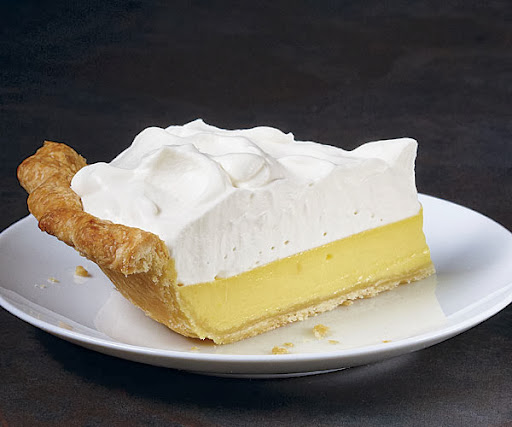
Classic Key Lime Pie

This classic pie includes a flaky pastry crust, billowy whipped-cream topping, and of course a silky, aromatic sweet-tart custard filling. If you can’t find fresh Key limes, you can substitute common lime juice, which will be tart but without the floral notes found in Key limes. Bottled Key lime juice is an even better choice as long as it’s 100% juice. The pie needs to chill for at least 5 hours before serving.
For the crust
  • 4-1/2 oz. (1 cup) unbleached all-purpose flour; more as needed
  • 1-1/3 oz. (1/3 cup) cake flour
  • 1 tsp. granulated sugar
  • 1/4 tsp. table salt
  • 4 oz. (1/2 cup) cold unsalted butter, cut into 8 pieces
  • 1/4 cup ice-cold water
  • 1 tsp. cider vinegar
For the filling and topping
  • 4 large egg yolks
  • 1 14-oz. can sweetened condensed milk
  • 1/2 cup fresh Key lime juice (from 14 to 16 limes) or bottled Key lime juice (preferably Manhattan brand)
  • 1-1/2 cups cold heavy cream
  • 1 oz. (1/4 cup) confectioners’ sugar
  • 3/4 tsp. pure vanilla extract

Make the crust

In a food processor, pulse the flours, sugar, and salt to combine. Add the butter and begin cutting it into smaller pieces with four 1-second pulses.

In a small bowl, combine the water and vinegar. While pulsing, gradually add the liquid in a thin stream through the feed tube until the dough forms several large clumps, 20 to 30 pulses. The butter should still be visible in small pieces.

Gather and press the dough into a 1-inch-thick disk. Wrap in plastic and refrigerate for at least 1 hour.

Dust a work surface and both sides of the dough lightly with flour. Flatten the dough slightly by tapping it all over with a rolling pin, then roll the dough out into a 12-inch circle. Try to make the circle as even as possible, but don’t be concerned about rough edges.

Roll the dough around the rolling pin and carefully unroll over a 9-inch glass or metal pie plate. Gently press it into the bottom and up the sides of the pan without stretching it. With scissors, trim the overhanging dough to 1/2 inch beyond the rim of the plate. Fold the overhang under and crimp decoratively. Wrap the crust in plastic and refrigerate for at least 1 hour.

Position a rack in the center of the oven and heat the oven to 400°F.

Line the crust with aluminum foil and fill with dried beans or pie weights. Put the crust on a rimmed baking sheet and bake until the edge is firm and pale golden, 20 to 25 minutes. Carefully remove the foil and beans. Prick the bottom of the crust all over with a fork. Continue baking until golden-brown, 8 to 12 minutes. (If the pastry puffs up, gently prick it with a toothpick.) Transfer to a wire rack and cool to room temperature.

Fill and bake the pie

Reduce the oven temperature to 350°F.

In a medium bowl, vigorously whisk the egg yolks by hand until slightly thickened, about 1 minute. Gently whisk in the sweetened condensed milk until combined, then whisk in the lime juice; the filling will thicken just a bit. Scrape the filling into the crust and spread it evenly.

Bake on a rimmed baking sheet for 20 minutes—the filling will be only partially set. Cool to room temperature on a rack, then refrigerate until the filling is completely set, at least 5 hours.

Top the pie

Chill a metal bowl and the beater(s) of an electric mixer. In the chilled bowl, combine the cream, confectioners’ sugar, and vanilla. Beat on medium-high speed to firm peaks. Spoon the cream over the filling, swirling it attractively. Slice and serve.

Apple Galette with Ginger Glaze

  • 1 sheet (about 9 oz.) frozen puff pastry, thawed
  • 2 Granny Smith apples, cored and thinly sliced (no more than 1/8 inch thick)
  • (see "How to core an apple quickly" )
  • 1 Tbs. unsalted butter, cut into small pieces
  • 2 Tbs. granulated sugar
  • 2 Tbs. apricot jam
  • 1 Tbs. water
  • 1-1/2 Tbs. finely chopped fresh ginger
  • Pinch salt

Heat the oven to 425°F. On a lightly floured surface, roll the dough to a 13-inch square.

Trim off the corners to make a rough circle -- it doesn't need to be perfect.

Slide the dough circle onto a parchment-lined or nonstick baking sheet. Prick the dough all over. Arrange the apples in neat concentric circles, just barely overlapping the slices, leaving about a 1-inch border of pastry. Dot the apples with the butter and sprinkle with the sugar.

Fold the pastry edges up over the apples to make a 1-inch border. Bake until the dough is medium brown at the edges and underneath and the edges of the apples just begin to brown, 25 to 30 minutes. Slide onto a cooling rack.

As the galette cools, put the jam, water, ginger, and salt in a small saucepan over low heat (or in a glass bowl in the microwave) and heat gently until it just starts to bubble. Stir to blend and remove from the heat. Strain the jam glaze to remove the ginger pieces, or just push the ginger aside. With a pastry brush or a small spoon, lightly glaze the apples and the pastry edge. Serve the galette hot or warm.

Apple and Cheddar Cake

Grated cheddar cheese melts into this cake and gives it a wonderfully tangy flavor and richness. Diced pear may be substituted for the apple if you like. Either way, it tastes great with maple syrup–sweetened whipped cream on the side.
  • 3/4 cup unbleached all-purpose flour
  • 1/2 cup yellow cornmeal
  • 1-1/2 tsp. baking powder
  • 1/4 tsp. table salt
  • 1/2 cup (1 stick) unsalted butter, softened
  • 3/4 cup sugar
  • 2 eggs
  • 6 Tbs. milk
  • 1 cup grated cheddar cheese
  • 1 large tart apple, such as a Granny Smith, peeled, cored, and cut into 1/4-inch dice

Preheat the oven to 350ºF. Grease a 9-inch round cake pan and dust with flour. Combine the flour, cornmeal, baking powder, and salt in a medium bowl.

Combine the butter and sugar in a large mixing bowl and cream with an electric mixer on medium-high speed until fluffy, about 3 minutes, scraping down the sides of the bowl once or twice as necessary. With the mixer on medium-low speed, add the eggs, one at a time, scraping down the sides of the bowl after each addition.

Turn the mixer to low speed and add 1/2 of the flour mixture. Stir in the milk. Stir in the remaining flour mixture until just combined. Stir in the cheddar cheese and apple.

Scrape the batter into the prepared pan and smooth the top with a rubber spatula. Bake until the cake is golden brown and a toothpick inserted into the center comes out clean, about 35 minutes. Let the cake cool in the pan for about 10 minutes, invert it onto a wire rack, and then turn it right side up on a rack to cool completely.

Store uneaten cake in a cake keeper or wrap in plastic and store at room temperature for up to 2 days.

Crabmeat Empanadas with Grilled Corn Salsa & Poblano Cream Sauce

For the grilled corn salsa:
  • 6 medium ears corn
  • 3 Tbs. fresh lime juice (from 1 medium lime)
  • 2 Tbs. sunflower or vegetable oil
  • 2 Tbs. thinly sliced chives
  • Kosher salt and freshly ground black pepper
For the poblano cream sauce:
  • 3 medium poblano peppers
  • 1 cup heavy cream
  • 1 Tbs. sunflower or vegetable oil
  • 1/2 cup small-diced white onion
  • 2 medium cloves garlic, minced
  • Kosher salt
For the empandas:
  • 1/2 lb. lump crabmeat, picked over for shells
  • 2 Tbs. thinly sliced scallion greens
  • 1 Tbs. fresh lime juice
  • Kosher salt and freshly ground black pepper
  • 1 large egg
  • 4 sheets frozen packaged puff pastry (preferably Pepperidge Farm brand), thawed overnight in the refrigerator

Make the grilled corn salsa:

Soak the corn (with husks) in cold water for 30 minutes. Meanwhile, prepare a medium-high gas or charcoal grill fire.

Wrap each wet corn cob separately in aluminum foil. Space them at least 1 inch apart on the grill and cook, covered, rolling each ear a quarter turn every 8 minutes until the cobs have made a complete rotation, 32 minutes total. Remove the foil, let the ears cool enough to handle, and remove the husks and silk.

Set one ear aside and put the remaining five back on the grill. Cook, turning the cobs once, until they are lightly charred, 2 to 3 minutes. Cool the corn on a rack.

Cut the charred corn from the cobs and put it in a medium bowl. Stir in the lime juice, oil, and chives and season to taste with salt and pepper.

Make the poblano cream sauce:

Char the poblanos on the grill, turning them with tongs as soon as each side becomes fully blackened, 6 to 10 minutes. Put the charred poblanos in a bowl and cover. When cool enough to handle, peel and seed them.

In a heavy-duty 2-quart saucepan, bring the cream to a boil over high heat. Lower the heat to medium and simmer until reduced to 1/2 cup, about 5 minutes.

Heat the oil in a 10-inch skillet over medium heat. Add the onion and garlic and cook, stirring occasionally, until softened but not browned, 3 to 5 minutes. Put the onion mixture, poblanos, and 2 Tbs. water in a blender and puree until smooth. Stir the poblano puree into the reduced cream and season to taste with salt. Keep warm.

Make the empanadas:

Position racks in the top and bottom thirds of the oven and heat the oven to 400°F.

Cut the uncharred corn from the cob. In a medium bowl, stir together the corn, crabmeat, scallion greens, lime juice, 1 tsp. salt, and a few grinds of pepper.

Beat the egg in small bowl with 1 Tbs. of water.

Cut each puff pastry sheet into four 3-1/2-inch squares. Drop 1 rounded Tbs. of the crab mixture in the center of each pastry square. With a pastry brush, brush two adjoining edges of each square with the egg and fold the opposite corner over to form a triangle, sealing all the way around with your thumb. Press a fork down on the sealed edges at regular intervals to form small ridges. Transfer the empanadas to two parchment-lined baking sheets. Bake until golden brown, 15 to 18 minutes, rotating the pans halfway through baking.

To serve:

Pour 1 Tbs. of the warm poblano cream sauce in a circle around a small plate. Put one empanada in the center of the plate and spoon a little corn salsa to the side. Serve immediately.

Honey-Spice Walnut Tart

  • 4 Tbs. unsalted butter, slightly softened
  • 1/3 cup honey
  • 2 Tbs. granulated sugar
  • 1-1/2 tsp. ground cinnamon
  • 1 tsp. ground ginger
  • Pinch salt
  • 1 large egg
  • 1 cup roughly chopped walnuts
  • 1 sheet (about 9 oz.) frozen puff pastry, thawed

Heat the oven to 400°F. In a food pro­ces­sor or with a wooden spoon, blend the butter, honey, sugar, cinnamon, ginger, and salt until smooth. Add the egg and process or beat just until blended. Add the nuts all at once and process only until blended. The nuts should be chopped, but not so fine that the mixture becomes a smooth paste; you want some crunch left.

Cut the pastry sheet in half to make two strips about 9x4 inches. Roll one strip to 15x6 inches. Prick the entire ­surface of the strip with the tines of a fork. Slide the sheet onto a­ parchment-lined or nonstick baking sheet. Spread the center of the strip with half of the nut mixture, to within 1/2 inch of the long edges and all the way to the edge on the short ends. Fold the bare long edges 1/2 inch over the nut mixture and press firmly to stick; with the blunt edge of a table knife, make indentations into the long edges about 1/2-inch apart to crimp the border a bit. Repeat with the second pastry strip and the rest of the nut mixture.

Bake in the heated oven until the filling looks slightly dry on top and the ­pastry is deep golden brown on the edges and underneath, 19 to 21 minutes. Slide the tarts onto a rack to cool. Cut into four or five strips each and serve slightly warm.

Peppermint Brownies

These brownies only get better after a couple of days, as their texture gets fudgier and their flavor richer. In testing, we used Bigelow peppermint tea, but any herbal peppermint tea will work. Peppermint extract is available in grocery stores or by mail order.
  • 10 oz. (2-1/2 sticks) unsalted butter; more for greasing the pan
  • 10 oz. unsweetened chocolate
  • 2 tsp. peppermint tea leaves (from about 2-tea bags)
  • 2 cups granulated sugar
  • 4 large eggs
  • 2 tsp. peppermint extract
  • 1/4 tsp. kosher salt
  • 4-1/2 oz. (1 cup) all-purpose flour
  • 2 oz. semisweet chocolate
  • 2 Tbs. light corn syrup
  • 2 oz. white chocolate

Center a rack in the oven and heat the oven to 350°F. Butter the bottom and sides of a 9x13-inch baking pan, line it with parchment (the paper should extend at least an inch above the long sides to act as handles for getting the brownies out), and butter the paper.

Put about 2 inches of water in a small pot and heat to a gentle simmer. In a heatproof bowl set over the water, melt 8 oz. of the butter and 8 oz. of the unsweetened chocolate. Be sure that the water is hot but not boiling and that it doesn’t touch the bottom of the bowl. Stir occasionally with a heatproof spatula until the mixture is completely melted and uniform, 6 to 7-minutes. Turn off the heat, but leave the bowl over the water.

In a food processor, finely grind the peppermint leaves with the sugar. In a medium bowl, whisk together the eggs, peppermint extract, salt, and peppermint sugar until just combined. Whisk in the melted chocolate mixture (reserve the pot of water for later). Slowly add the flour, gently folding it in with a spatula, until incorporated. Spread the batter into the prepared pan and bake until a pick inserted into the center comes out almost clean (a few bits of batter should cling to the pick), 35 to 40 minutes. Put the pan on a rack to cool to room temperature, about 2 hours. Lift the paper lining to pull the brownies out of the pan. Peel the paper off the brownies and put them on a cutting board.

To make the glaze, bring the pot of water back to a gentle simmer. Set a heatproof bowl over the pot and add the semisweet chocolate, corn syrup, and the remaining 2 oz. each butter and unsweetened chocolate. Stir frequently with a heatproof spatula until the mixture is melted and smooth; set aside. Put the white chocolate in a separate heatproof bowl and set it over the water. Stir frequently until it’s melted and smooth; remove it from the heat. Spread the chocolate glaze over the cooled brownies in an even layer using a spatula.

Peppermint Brownies Recipe

Drizzle the white chocolate over the glaze in evenly distributed lines. Use a toothpick or a wooden skewer to drag the white chocolate into the glaze and make a marbleized pattern. Lift the cutting board and firmly tap it on the counter to settle the glaze.

Peppermint Brownies Recipe

Refrigerate until the glaze is set, at least 20 minutes and up to 12 hours. Cut into thirty bars, about 2 inches square (a knife rinsed in hot water and then dried will cut more cleanly than a cold knife). Keep well covered and serve at room temperature.

Classic Key Lime Pie

This classic pie includes a flaky pastry crust, billowy whipped-cream topping, and of course a silky, aromatic sweet-tart custard filling. If you can’t find fresh Key limes, you can substitute common lime juice, which will be tart but without the floral notes found in Key limes. Bottled Key lime juice is an even better choice as long as it’s 100% juice. The pie needs to chill for at least 5 hours before serving.
For the crust
  • 4-1/2 oz. (1 cup) unbleached all-purpose flour; more as needed
  • 1-1/3 oz. (1/3 cup) cake flour
  • 1 tsp. granulated sugar
  • 1/4 tsp. table salt
  • 4 oz. (1/2 cup) cold unsalted butter, cut into 8 pieces
  • 1/4 cup ice-cold water
  • 1 tsp. cider vinegar
For the filling and topping
  • 4 large egg yolks
  • 1 14-oz. can sweetened condensed milk
  • 1/2 cup fresh Key lime juice (from 14 to 16 limes) or bottled Key lime juice (preferably Manhattan brand)
  • 1-1/2 cups cold heavy cream
  • 1 oz. (1/4 cup) confectioners’ sugar
  • 3/4 tsp. pure vanilla extract

Make the crust

In a food processor, pulse the flours, sugar, and salt to combine. Add the butter and begin cutting it into smaller pieces with four 1-second pulses.

In a small bowl, combine the water and vinegar. While pulsing, gradually add the liquid in a thin stream through the feed tube until the dough forms several large clumps, 20 to 30 pulses. The butter should still be visible in small pieces.

Gather and press the dough into a 1-inch-thick disk. Wrap in plastic and refrigerate for at least 1 hour.

Dust a work surface and both sides of the dough lightly with flour. Flatten the dough slightly by tapping it all over with a rolling pin, then roll the dough out into a 12-inch circle. Try to make the circle as even as possible, but don’t be concerned about rough edges.

Roll the dough around the rolling pin and carefully unroll over a 9-inch glass or metal pie plate. Gently press it into the bottom and up the sides of the pan without stretching it. With scissors, trim the overhanging dough to 1/2 inch beyond the rim of the plate. Fold the overhang under and crimp decoratively. Wrap the crust in plastic and refrigerate for at least 1 hour.

Position a rack in the center of the oven and heat the oven to 400°F.

Line the crust with aluminum foil and fill with dried beans or pie weights. Put the crust on a rimmed baking sheet and bake until the edge is firm and pale golden, 20 to 25 minutes. Carefully remove the foil and beans. Prick the bottom of the crust all over with a fork. Continue baking until golden-brown, 8 to 12 minutes. (If the pastry puffs up, gently prick it with a toothpick.) Transfer to a wire rack and cool to room temperature.

Fill and bake the pie

Reduce the oven temperature to 350°F.

In a medium bowl, vigorously whisk the egg yolks by hand until slightly thickened, about 1 minute. Gently whisk in the sweetened condensed milk until combined, then whisk in the lime juice; the filling will thicken just a bit. Scrape the filling into the crust and spread it evenly.

Bake on a rimmed baking sheet for 20 minutes—the filling will be only partially set. Cool to room temperature on a rack, then refrigerate until the filling is completely set, at least 5 hours.

Top the pie

Chill a metal bowl and the beater(s) of an electric mixer. In the chilled bowl, combine the cream, confectioners’ sugar, and vanilla. Beat on medium-high speed to firm peaks. Spoon the cream over the filling, swirling it attractively. Slice and serve.

Orange-Scented Mini Elephant Ears

Store-bought puff pastry and bittersweet orange zest bake up into a crunchy, flaky cookie with a sophisticated flavor that belies its simplicity.Watch Abby demonstrate this and two other four-ingredient desserts in her Holiday Cookies Video Series. And if you think Abby's four-ingredient cookies are cool, watch how she transforms four ingredients into crowd-pleasing frosty treats.
  • 2/3 cup granulated sugar, divided
  • 1 Tbs. finely grated orange zest
  • 1 sheet (about 9 oz.) frozen puff pastry, thawed
  • 2 Tbs. unsalted butter, melted

Put 1/3 cup of the sugar and the orange zest in a small bowl. Stir until blended and set aside.

Arrange a large piece of plastic wrap on the counter. Using a rolling pin, roll out the puff pastry on the plastic into a 10 x 15-inch rectangle. Sprinkle the top and bottom often and generously with the remaining 1/3 cup sugar to prevent sticking (you won’t use it all). Pour the melted butter onto the center of the dough and spread evenly with a small offset spatula. Sprinkle the reserved sugar-orange mixture evenly over the butter.

Cut the dough in half crosswise (you’ll have two 10 x 71/2-inch rectangles). Starting on one short side and using the plastic as a guide, roll up the dough jellyroll style to the center. Roll up the opposite side until the 2 rolls meet in the center. Pinch the rolls so they stick together. Repeat with remaining dough. Wrap the rolls and refrigerate until firm, about 45 minutes (for faster chilling, pop the wrapped rolls in the freezer).

Heat the oven to 425°F. Line 2 large cookie sheets with nonstick liners.

Arrange the rolls, seam side down on a cutting board and cut into 1/2-inch-thick slices. Arrange on the prepared cookie sheets about 1-1/2 inches apart. Bake until golden brown, about 14 minutes. Turn over and bake for another 1 to 2 minutes until golden brown. Set on a rack to cool completely. Serve immediately or cover and store at room temperature for up to 2 days.

Fresh 3-Berry Shortcake

The second most popular dessert at Junior's in New York City is their Famous Fresh Strawberry Shortcake, which they've been serving 20 years longer than they have their cheesecake—it was on their menu when they opened in 1950. Here we've given it a delicious twist—making it with three kinds of berries instead of one.
For the cake layers
  • 1-1/3 cups sifted cake flour
  • 1 Tbs. baking powder
  • 1/2 tsp. salt
  • 9 extra-large eggs, separated
  • 1-1/3 cups sugar
  • 1 Tbs. pure vanilla extract
  • 1/2 tsp. pure lemon extract
  • 1/2 cup (1 stick) unsalted butter, melted
  • 1/2 tsp. cream of tartar
For the frosting and berry decoration

Bake the cakes

Place a rack in the middle position in your oven and
preheat to 350°F. Generously butter the bottoms and sides of two 9-inch round
cake pans with 2-inch-high sides (preferably nonstick). Line the bottoms only
with parchment paper. Sift together the flour, baking powder, and salt, then
place it back into the sifter.

In a large bowl with an electric mixer on high, beat
the yolks for 3 minutes. With the mixer running, slowly add half the sugar;
continue beating until thick, light yellow ribbons form, about 5 minutes more.
Beat in the extracts. Sift the flour mixture over the batter and stir in with a
wooden spoon, just until no white flecks appear (don’t overmix!). Blend in the
butter. Wash the beaters well and dry.

In another large bowl, beat the egg whites and cream
of tartar with the mixer on high until frothy. Gradually add the rest of the
sugar and continue beating until stiff peaks form (the whites will stand up and
look glossy but not dry). Fold about one-third of the whites into the batter,
then the remaining whites. Don’t worry if you still see a few white specks, as
they’ll disappear during baking.

Divide the batter evenly between the 2 prepared cake
pans and bake on the middle oven rack until the tops look set and golden (not
wet or sticky) and a pick inserted in the centers comes out with moist crumbs
clinging to it, about 25 minutes. Touch the cakes gently in the center. When
they spring back, they are done. Watch carefully and don’t let the tops brown.
Transfer to wire racks and let cool in the pans for 15 minutes. Remove the
cakes from the pans and let cool completely on the racks. Peel off the
parchment liners.

Assemble, frost, and decorate the cakes

Rinse and hull the strawberries, then dry on paper
towels. Pick out 12 of the prettiest ones and set aside for decorating the top.
Slice the remaining strawberries across into circles to use between the layers
(you need about 4 cups). Rinse the raspberries and dry on paper towels. Pick
out 12 of the prettiest ones and set aside. Rinse the blueberries and dry on
paper towels. Pick out 25 of the prettiest ones and set aside. Cover the
berries with a wet paper towel. Prepare the whipped cream, cover with a damp
paper towel, and chill.

When the cakes have cooled completely, with a serrated
knife cut each layer horizontally (with a sawing motion) into 2 equal
layers—for a total of 4 thin layers. Brush away any crumbs. Place one layer,
bottom side down, on a cake plate and spread with 1⁄2-inch-thick layer (about 1
cup) of the whipped cream. Scatter some sliced strawberries, raspberries, and
blueberries over the top, pushing them down into the cream (this will help the
layers stay together as you slice and serve this tall cake). Spread 1⁄3 cup
cream over the top of the second layer and place, cream side down, on the first
layer. Repeat in the same way with whipped cream and berries on top. Spread 1⁄3
cup cream over the top of the third layer and place, cream side down, on the
second layer. Repeat with another  1⁄2-inch
layer of cream and the remaining berries (excluding the reserved berries for
the top). Spread 1⁄3 cup cream over the top of the fourth layer and place,
cream side down, on the third layer. Fill in any empty spaces between the
layers with whipped cream to even up the side. Brush away any crumbs. Refrigerate
until chilled and set, 1 to 2 hours. Refrigerate the remaining whipped cream.

Frost the side and the top of the cake with whipped
cream, using a 1⁄2- to 3⁄4-inch layer of cream on the top. (Be sure to reserve
some to pipe rosettes.) Use an icing spatula to smooth the side and top. Stand
up a ring of whole strawberries about 11⁄2 inches from the edge, then arrange a
circle of raspberries in the center. Fill up the space between the two rings of
raspberries with blueberries. Fit a pastry bag with a large open-star tip (#172
or #2110/1M), fill it three-fourths full with the remaining whipped cream, and
pipe a border of whipped cream rosettes on the top, around the outside rim of
the cake.

Refrigerate the cake for at least 1 hour or until
serving time (but not more than 3 hours). Slice the cake with a sharp
straight-edge slicing knife, not a serrated cake knife. This cake is best
served the day it is made.

TIP: Don't freeze this cake. It will not look pretty or hold up when
defrosted. The fruits will lose their shape, their colors will bleed,
and the whipped cream frosting will lose its design.

Junior's Dessert Cookbook

Baked Brie with Dried Cherries & Thyme

  • 1/2-lb. wheel of Brie (about 4-inch diameter), at room temperature
  • 1 sheet frozen puff pastry, thawed
  • 1/3 cup dried cherries, coarsely chopped
  • 2 tsp. chopped fresh thyme
  • 1 Tbs. unsalted butter, melted

Position a rack in the center of the oven and heat the oven to 425°F.

Slice off the top rind of the Brie and discard. On a sheet of waxed paper or parchment, roll the pastry out to a 12-inch square and cut two 6-inch rounds from it. Put one of the rounds on a small rimmed baking sheet, sprinkle with half of the dried cherries and thyme, leaving a 1/2-inch border around the edge, and gently press so they adhere.

Set the Brie, rind side down, on top of the pastry, sprinkle with the remaining cherries and thyme, and cover with the other pastry. Crimp the edges together to seal in the cheese. Brush the top of the dough with the butter. Bake until the pastry browns, about 20 minutes. Let cool for 15 to 20 minutes and then serve.

Buckwheat-Bacon Waffles

Buckwheat and whole wheat flours give these waffles a nutty flavor, while bacon adds a smoky, salty crunch. Look for buckwheat flour in well-stocked supermarkets.
  • 8 slices bacon
  • 3 oz. (6 Tbs.) unsalted butter
  • 2 cups whole or low-fat milk
  • 5-1/4 oz. (1-1/4 cups) buckwheat flour
  • 3-1/2 oz. (3/4 cup) whole wheat or white all-purpose flour
  • 1-1/2 tsp. instant (rapid-rise) yeast
  • 1/2 tsp. table salt
  • 2 large eggs
  • 1 Tbs. pure maple syrup; more for serving
  • 1 tsp. pure vanilla extract

The night before

Cook the bacon in a 12-inch skillet over medium heat, flipping occasionally, until crisp, about 8 minutes. Transfer to paper towels to drain. When cool enough to handle, crumble into small bits and refrigerate.

Transfer 2 Tbs. of the bacon fat to a 2- to 3-quart saucepan, add the butter, and heat over low heat until the butter is melted. Add the milk and heat until just warmed through (105°F to 115°F), 2 to 3 minutes.

Meanwhile, whisk together the flours, yeast, and salt in a large bowl (the batter will double in volume, so be sure to use a bowl that holds at least 3 quarts). Slowly whisk in the warm milk mixture and continue whisking until the batter is smooth.

Whisk the eggs, maple syrup, and vanilla in a small bowl and then whisk into the batter until incorporated. Cover and refrigerate for 10 to 24 hours.

In the morning

Heat a waffle iron. Gently fold the bacon bits into the batter (the batter will deflate to about 4 cups). Following the manufacturer’s instructions, ladle the batter into the waffle iron, spreading evenly with the back of the ladle, and cook until crisp and lightly browned. Serve with syrup.

Cinnamon-Raisin-Walnut Pinwheels

These buttery, not-too-sweet pinwheels are perfect for a weekend breakfast because they come together easily and there’s no need to wait for the dough to rise, as with traditional yeasted cinnamon rolls.
  • 1/2 cup packed light brown sugar
  • 2-1/2 oz. (1/2 cup) raisins
  • 2 oz. (1/2 cup) chopped walnuts
  • 1 tsp. ground cinnamon
  • All-purpose flour, for rolling
  • 1 recipe Buttermilk Biscuit Dough
  • 2 oz. (4 Tbs.) melted unsalted butter

Position a rack in the center of the oven and heat the oven to 425°F. Line a large rimmed baking sheet with parchment.

In a small bowl, combine the sugar, raisins, walnuts, and cinnamon.

On a floured surface, pat the dough into a 5-inch square. Using a floured rolling pin, roll the dough into a 12-inch square. Brush the dough with 2 Tbs. of the butter and evenly sprinkle with the sugar mixture. Tightly roll up the dough (like a jelly roll), pinching the seam to seal it shut. Using a serrated knife, cut the roll crosswise into 12 pieces. Arrange the pieces cut side down on the prepared sheet, spacing them about 1 inch apart.

Bake until puffed and golden-brown, 15 to 18 minutes. Transfer to a wire rack and brush with the remaining 2 Tbs. melted butter. Let cool until warm, about 10 minutes, before serving.

Goat Cheese, Lemon & Chive Turnovers

  • 4 oz. fresh goat cheese (about 1/2 cup), at room temperature
  • 1/4 cup thinly sliced fresh chives
  • 1/4 cup minced yellow onion
  • 1 tsp. finely grated lemon zest
  • Kosher salt and freshly ground black pepper
  • Flour for dusting
  • 1 sheet frozen puff pastry, thawed overnight in the refrigerator

Position a rack in the center of the oven and heat the oven to 400ºF.

In a medium bowl, mash the goat cheese with a fork. Add the chives, onion, lemon zest, 1/2 tsp. kosher salt, and 1/4 tsp. pepper. Stir until well combined.

On a lightly floured surface, unfold the pastry sheet and lightly dust with flour. Use a rolling pin to roll the sheet into a 12-inch square. Cut the dough into 9 squares. Put equal amounts of the filling (about 1 Tbs.) onto the center of each square. Moisten the edges of a square with a fingertip dipped in water. Fold the dough over to form a triangle, gently pressing to remove air pockets around the filling and pressing the edges of the dough together. Use the tines of a fork to crimp and seal the edges of the turnover. Repeat this process with the other dough squares.

Arrange the turnovers on a cookie sheet and bake until the turnovers are puffed and golden all over, 15 to 18 minutes. Let them cool on a rack for a few minutes and serve warm.

Wednesday, November 13, 2013

Buckwheat-Bacon Waffles

Buckwheat and whole wheat flours give these waffles a nutty flavor, while bacon adds a smoky, salty crunch. Look for buckwheat flour in well-stocked supermarkets.
  • 8 slices bacon
  • 3 oz. (6 Tbs.) unsalted butter
  • 2 cups whole or low-fat milk
  • 5-1/4 oz. (1-1/4 cups) buckwheat flour
  • 3-1/2 oz. (3/4 cup) whole wheat or white all-purpose flour
  • 1-1/2 tsp. instant (rapid-rise) yeast
  • 1/2 tsp. table salt
  • 2 large eggs
  • 1 Tbs. pure maple syrup; more for serving
  • 1 tsp. pure vanilla extract

The night before

Cook the bacon in a 12-inch skillet over medium heat, flipping occasionally, until crisp, about 8 minutes. Transfer to paper towels to drain. When cool enough to handle, crumble into small bits and refrigerate.

Transfer 2 Tbs. of the bacon fat to a 2- to 3-quart saucepan, add the butter, and heat over low heat until the butter is melted. Add the milk and heat until just warmed through (105°F to 115°F), 2 to 3 minutes.

Meanwhile, whisk together the flours, yeast, and salt in a large bowl (the batter will double in volume, so be sure to use a bowl that holds at least 3 quarts). Slowly whisk in the warm milk mixture and continue whisking until the batter is smooth.

Whisk the eggs, maple syrup, and vanilla in a small bowl and then whisk into the batter until incorporated. Cover and refrigerate for 10 to 24 hours.

In the morning

Heat a waffle iron. Gently fold the bacon bits into the batter (the batter will deflate to about 4 cups). Following the manufacturer’s instructions, ladle the batter into the waffle iron, spreading evenly with the back of the ladle, and cook until crisp and lightly browned. Serve with syrup.

Peppermint Brownies

These brownies only get better after a couple of days, as their texture gets fudgier and their flavor richer. In testing, we used Bigelow peppermint tea, but any herbal peppermint tea will work. Peppermint extract is available in grocery stores or by mail order.
  • 10 oz. (2-1/2 sticks) unsalted butter; more for greasing the pan
  • 10 oz. unsweetened chocolate
  • 2 tsp. peppermint tea leaves (from about 2-tea bags)
  • 2 cups granulated sugar
  • 4 large eggs
  • 2 tsp. peppermint extract
  • 1/4 tsp. kosher salt
  • 4-1/2 oz. (1 cup) all-purpose flour
  • 2 oz. semisweet chocolate
  • 2 Tbs. light corn syrup
  • 2 oz. white chocolate

Center a rack in the oven and heat the oven to 350°F. Butter the bottom and sides of a 9x13-inch baking pan, line it with parchment (the paper should extend at least an inch above the long sides to act as handles for getting the brownies out), and butter the paper.

Put about 2 inches of water in a small pot and heat to a gentle simmer. In a heatproof bowl set over the water, melt 8 oz. of the butter and 8 oz. of the unsweetened chocolate. Be sure that the water is hot but not boiling and that it doesn’t touch the bottom of the bowl. Stir occasionally with a heatproof spatula until the mixture is completely melted and uniform, 6 to 7-minutes. Turn off the heat, but leave the bowl over the water.

In a food processor, finely grind the peppermint leaves with the sugar. In a medium bowl, whisk together the eggs, peppermint extract, salt, and peppermint sugar until just combined. Whisk in the melted chocolate mixture (reserve the pot of water for later). Slowly add the flour, gently folding it in with a spatula, until incorporated. Spread the batter into the prepared pan and bake until a pick inserted into the center comes out almost clean (a few bits of batter should cling to the pick), 35 to 40 minutes. Put the pan on a rack to cool to room temperature, about 2 hours. Lift the paper lining to pull the brownies out of the pan. Peel the paper off the brownies and put them on a cutting board.

To make the glaze, bring the pot of water back to a gentle simmer. Set a heatproof bowl over the pot and add the semisweet chocolate, corn syrup, and the remaining 2 oz. each butter and unsweetened chocolate. Stir frequently with a heatproof spatula until the mixture is melted and smooth; set aside. Put the white chocolate in a separate heatproof bowl and set it over the water. Stir frequently until it’s melted and smooth; remove it from the heat. Spread the chocolate glaze over the cooled brownies in an even layer using a spatula.

Peppermint Brownies Recipe

Drizzle the white chocolate over the glaze in evenly distributed lines. Use a toothpick or a wooden skewer to drag the white chocolate into the glaze and make a marbleized pattern. Lift the cutting board and firmly tap it on the counter to settle the glaze.

Peppermint Brownies Recipe

Refrigerate until the glaze is set, at least 20 minutes and up to 12 hours. Cut into thirty bars, about 2 inches square (a knife rinsed in hot water and then dried will cut more cleanly than a cold knife). Keep well covered and serve at room temperature.

Classic Key Lime Pie

This classic pie includes a flaky pastry crust, billowy whipped-cream topping, and of course a silky, aromatic sweet-tart custard filling. If you can’t find fresh Key limes, you can substitute common lime juice, which will be tart but without the floral notes found in Key limes. Bottled Key lime juice is an even better choice as long as it’s 100% juice. The pie needs to chill for at least 5 hours before serving.
For the crust
  • 4-1/2 oz. (1 cup) unbleached all-purpose flour; more as needed
  • 1-1/3 oz. (1/3 cup) cake flour
  • 1 tsp. granulated sugar
  • 1/4 tsp. table salt
  • 4 oz. (1/2 cup) cold unsalted butter, cut into 8 pieces
  • 1/4 cup ice-cold water
  • 1 tsp. cider vinegar
For the filling and topping
  • 4 large egg yolks
  • 1 14-oz. can sweetened condensed milk
  • 1/2 cup fresh Key lime juice (from 14 to 16 limes) or bottled Key lime juice (preferably Manhattan brand)
  • 1-1/2 cups cold heavy cream
  • 1 oz. (1/4 cup) confectioners’ sugar
  • 3/4 tsp. pure vanilla extract

Make the crust

In a food processor, pulse the flours, sugar, and salt to combine. Add the butter and begin cutting it into smaller pieces with four 1-second pulses.

In a small bowl, combine the water and vinegar. While pulsing, gradually add the liquid in a thin stream through the feed tube until the dough forms several large clumps, 20 to 30 pulses. The butter should still be visible in small pieces.

Gather and press the dough into a 1-inch-thick disk. Wrap in plastic and refrigerate for at least 1 hour.

Dust a work surface and both sides of the dough lightly with flour. Flatten the dough slightly by tapping it all over with a rolling pin, then roll the dough out into a 12-inch circle. Try to make the circle as even as possible, but don’t be concerned about rough edges.

Roll the dough around the rolling pin and carefully unroll over a 9-inch glass or metal pie plate. Gently press it into the bottom and up the sides of the pan without stretching it. With scissors, trim the overhanging dough to 1/2 inch beyond the rim of the plate. Fold the overhang under and crimp decoratively. Wrap the crust in plastic and refrigerate for at least 1 hour.

Position a rack in the center of the oven and heat the oven to 400°F.

Line the crust with aluminum foil and fill with dried beans or pie weights. Put the crust on a rimmed baking sheet and bake until the edge is firm and pale golden, 20 to 25 minutes. Carefully remove the foil and beans. Prick the bottom of the crust all over with a fork. Continue baking until golden-brown, 8 to 12 minutes. (If the pastry puffs up, gently prick it with a toothpick.) Transfer to a wire rack and cool to room temperature.

Fill and bake the pie

Reduce the oven temperature to 350°F.

In a medium bowl, vigorously whisk the egg yolks by hand until slightly thickened, about 1 minute. Gently whisk in the sweetened condensed milk until combined, then whisk in the lime juice; the filling will thicken just a bit. Scrape the filling into the crust and spread it evenly.

Bake on a rimmed baking sheet for 20 minutes—the filling will be only partially set. Cool to room temperature on a rack, then refrigerate until the filling is completely set, at least 5 hours.

Top the pie

Chill a metal bowl and the beater(s) of an electric mixer. In the chilled bowl, combine the cream, confectioners’ sugar, and vanilla. Beat on medium-high speed to firm peaks. Spoon the cream over the filling, swirling it attractively. Slice and serve.

Almond Macarons

The subtly sweet almond flavor of these meringue cookies makes them incredibly versatile: They serve as a blank canvas for different flavor variations.Watch the video to see Joanne demonstrate how to make classic French macarons and their sweet fillings.
  • 7-3/8 oz. (1-3/4 cups plus 2 Tbs.) confectioners’ sugar
  • 4-3/8 oz. (1-1/4 cups plus 2 Tbs.) almond flour
  • 4 large egg whites, at room temperature
  • 1/4 cup granulated sugar
  • 1 recipe filling: either Lemon CurdButtercream, or Chocolate Ganache

Make the batter

Line 3 completely flat baking sheets with parchment or nonstick baking liners and set aside.


Using a medium-mesh sieve, sift the confectioners’ sugar and almond flour into a large bowl and set aside. In a clean stand mixer fitted with the whisk attachment (or using a large bowl and a hand mixer), whip the egg whites on medium speed until foamy and the wires of the beater(s) leave a trail, 1 to 2 minutes. Add 1 Tbs. of the granulated sugar and continue to whip for another 30 to 45 seconds. Repeat 3 times with the remaining granulated sugar. Once all of the sugar is mixed in, continue whipping the whites until they turn glossy and stiff (when you lift the beater(s) from the bowl, the whites should hold a straight peak that doesn’t curl at the tip), 4 to 8 minutes more.


With a large rubber spatula, fold in half of the confectioners’ sugar mixture. Once most of it has been incorporated, fold in the remaining mixture until just combined.

Pipe the cookies

Using a piping bag fitted with a 1/2- to 3/4-inch round tip (Ateco#806 to #809), pipe the batter onto the prepared sheets in rounds that are about 1 inch in diameter and 1/4 to 1/2 inch thick, spaced about 1-1/2 inches apart. As you pipe, hold the bag perpendicular to the baking sheet and flick the tip of the bag as you finish each cookie to minimize the peaks. Rap the sheet against the counter several times to flatten the mounds and pop any large air bubbles. Let rest until the meringues no longer feel tacky, 20 to 30 minutes. Meanwhile, position racks in the top and bottom thirds of the oven and heat the oven to 325°F.

Bake the cookies

Put 2 of the cookie sheets in the oven and immediately reduce the temperature to 300°F (let the third sheet sit at room temperature). Bake, rotating the sheets and swapping their positions after 8 minutes, until the meringues are very pale golden, 15 to 20 minutes total. Cool completely on the baking sheets on racks. Meanwhile, return the oven temperature to 325°F and then bake the third sheet as above.


Remove the meringues from the parchment and pair them by size.

Fill the cookies

Using a piping bag with the same tip used to pipe the cookies, pipe 1 to 1-1/2 teaspoons of the filling onto half of the cookies—you want to use just enough filling that it spreads to the edge when topped but doesn’t squish out much when bitten. Top the filled halves with their partners. The cookies are best the day they’re made, but you can store them in an airtight container at room temperature for up to 1 day or in the freezer for up to 2 weeks.

Coffee ‘Tea’ Cakes

These little cakes look like scones but have a moister, more cake-like texture.
  • 9 oz. (2 cups) all-purpose flour
  • 3/4 tsp. baking powder
  • 1/4 tsp. salt
  • 1/4 tsp. baking soda
  • 2/3 cup packed light brown sugar
  • 1-1/2 Tbs. finely ground coffee beans (from about 1 heaping Tbs. whole beans)
  • 1 stick (8 Tbs.) cold butter, cubed
  • 1/3 cup heavy cream
  • 1 tsp. vanilla extract
  • 1/3 cup cold brewed espresso or double-strength coffee
  • 1 tsp. packed light brown sugar
  • 1 tsp. sugar

Heat the oven to 350°F. Using a stand mixer with the paddle attachment or a regular mixer with beaters, combine the flour, baking powder, salt, baking soda, 2/3 cup brown sugar, and the ground coffee beans. Add the butter and mix on low speed until the pieces of butter are the size of marbles. Add the cream, vanilla, and cold espresso and continue mixing until the dough just comes together. Pat the dough onto an ungreased baking sheet into a round about 6 inches in diameter. Mix the 1 tsp. brown sugar with the white sugar to make it "sprinkleable." Sprinkle the round lightly with the sugar and cut it into 8 triangles. Bake until firm but still springy, 40 to 50 minutes. Remove from the oven and cool. Cut into wedges along the lines.

Amaranth Crackers with Cheddar and Pepitas

In these crispy, gluten-free crackers, amaranth flour is paired with the bold Southwestern flavors of chili powder, cumin, and garlic, and topped with Cheddar and hulled pumpkin seeds (pepitas). Try them dunked in bold dips like Tomatillo-Avocado Salsa.
  • 1 cup amaranth flour
  • 1/2 cup cornstarch, plus 2 tsp. for rolling
  • 1 tsp. baking powder
  • 2 Tbs. sugar
  • 1 Tbs. chili powder
  • 2 tsp. ground cumin
  • 1 tsp. fine sea salt
  • 1/2 tsp. garlic powder
  • 3 Tbs. extra-virgin olive oil
  • 1/4 cup pumpkin seeds (pepitas)
  • 1/2 cup grated tightly packed Cheddar cheese

Preheat the oven to 375°F. Line two baking sheets with silicone baking mats or parchment paper. In a large bowl, whisk together the amaranth flour, cornstarch, baking powder, sugar, chili powder, cumin, salt, and garlic powder. In a small bowl, whisk together 1/4 cup water and the olive oil. Add the wet ingredients to the dry ingredients and stir with a wooden spoon until the mixture forms a crumbly dough, about 10 strokes. Knead and squeeze the dough in the bowl until it comes together into a smooth ball. (If the dough seems a bit crumbly and dry, add a sprinkle of water to bring the dough together.)

Dust a piece of parchment paper with 1 tsp. of the remaining cornstarch. Place the dough on the paper and pat it into a rectangle measuring 4 by 6 inches. Dust the dough with the remaining 1 tsp. cornstarch. Cover the dough with a piece of plastic wrap and roll out the dough until it is 1/16 inch thick.

Remove the plastic wrap on top, trim the edges of the dough, and cut the dough into rectangles measuring 2-1/2 x 1-1/2 inches. (Save and re-roll the scraps.) Using a bench scraper or spatula, transfer the crackers to the prepared baking sheets, spacing them closely together. Sprinkle the pumpkin seeds and cheese over the crackers, pressing firmly to adhere the seeds and cheese to the dough.

Bake the crackers, rotating the baking sheets once from top to bottom and from front to back while cooking, until the crackers are browned at the edges and crisp to the touch (underdone crackers will be quite pliable when you try to bend one), 14 to 15 minutes. When crackers are completely cool, transfer them to an airtight container for up to 5 days.

Crackers & Dips Cookbook